
Around this time last year, I really started to get invested in learning more about gut health. I was taking a real interest in how I could better my mental health after struggling with anxiety, and given that I loved to cook, voila – a natural segway into learning more about gut-first thinking in the kitchen.
Now of course, I’m not a medical professional and what I’ve learnt is purely through my own reading, online courses, and listening to podcasts. It’s information that’s out there for everyone to find, so what I’m saying certainly isn’t anything new!
However, I hope through talking about my own experience and learnings in gut health, and by summarising some of the key principles in my blogs, it encourages you to dig a little deeper into what’s best for you gut.
After all, everybody – or should I say, every body – is different!
One of the most vital things to remember about looking after your gut is that the majority of the time, it’s about what you can add to your diet and your body, as opposed to what you can take away. Granted, limiting ultra-processed foods is going to stand you in good stead, but for the most part is simply about making smarter swaps, or even adding certain foods to your diet to reap the benefits.
So having a gut-friendly diet isn’t restrictive, nor does it need to be inaccessible. There’s a myriad of shakes and supplements out there that claim to be the answer to all your gut health prayers, and whilst some of them will offer some benefits (just be sure to do your research!), a lot of them are pretty expensive and aren’t necessarily needed.
You can start looking after your gut by following a few principles and keeping a few different points at front of mind when planning what to eat.
Here are some of the things that have helped me…
Start by making smart swaps
To start looking after your gut, chances are you don’t need to completely overhaul what’s in your cupboards. Instead, think about how you can make smart swaps to improve your gut health. For example, these changes could be geared towards increasing your fibre intake, adding more probiotics to your diet, or promoting a more diverse gut microbiome overall.
Whilst I make the effort to have healthier alternatives, one thing I do tend to stay away from is the lower fat version of certain products. If you’re eating them in moderation, I don’t think it’s an issue. Lower fat versions of products can often be unhealthier because when fat is removed, manufacturers often add other ingredients like sugar, salt, or artificial thickeners to compensate for lost flavour and texture. A lot of these end up being worse for you!
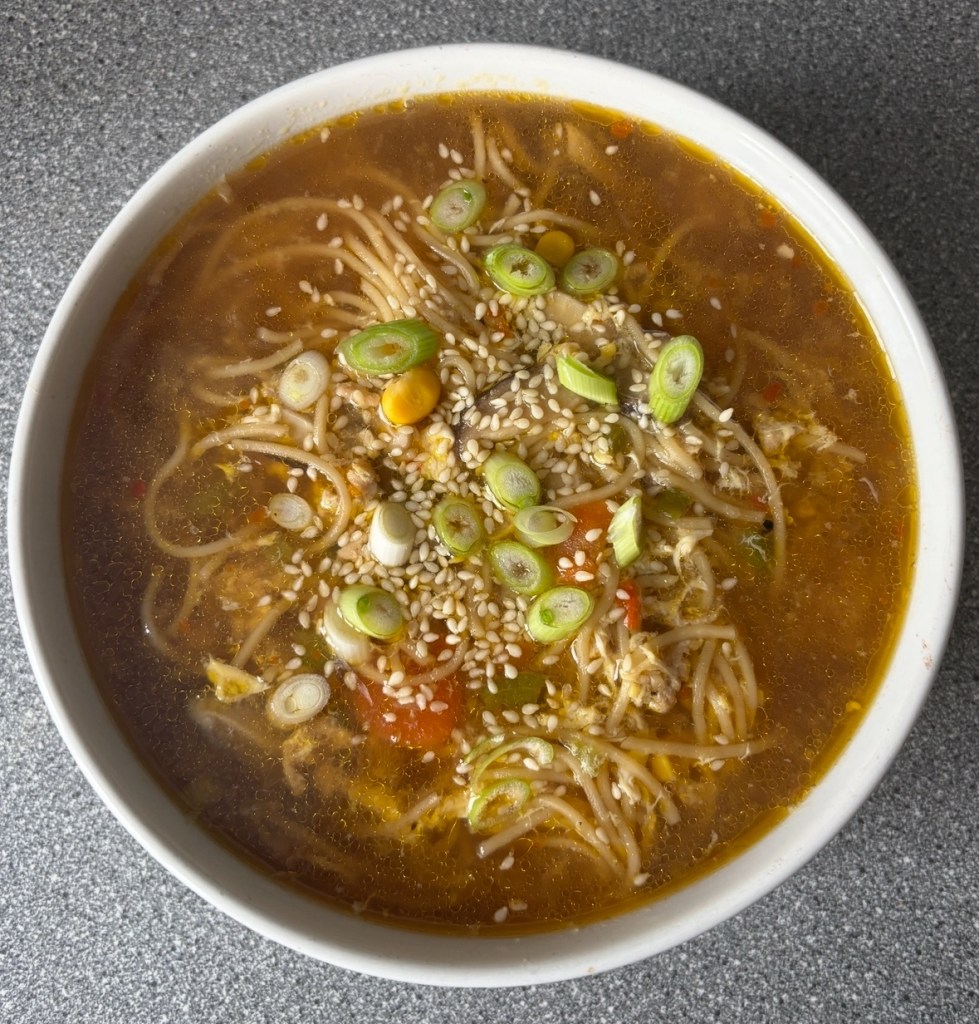
Here are some of the swaps I’ve found particularly easy yet impactful:
- Swapping refined grains for whole grains: instead of eating white rice and white pasta all the time, I try to have wholemeal rice, wholewheat pasta and grains like quinoa more often. And, to be honest, I often find that they’re tastier too. Whole grains are high in fibre, which feeds beneficial gut bacteria and promotes healthy digestion.
- Introducing more plant-based protein: this could be a swap or an introduction. For example, instead of eating a chilli con carne using beef mince, you could try a veggie chilli with lentils and beans. If you still want to keep the meat, try eating meals with more legumes in them – e.g. soups, casseroles, stews.
- Use extra-virgin olive oil (EVOO): it’s rich in healthy fats, polyphenols, and it’s the highest grade of olive oil you can buy. Use this instead of butter or seed oils but be sure to pick a high-quality EVOO in a dark tinted glass bottle, and look out for “obtained directly from olives solely by mechanical means” on the label. I always use La Española extra virgin olive oil!
- Use Greek yogurt instead of sour cream or mayonnaise: if like me you’re a sucker for a dip, try using Greek yoghurt as a higher-protein, lower-fat alternative. I think it even tastes nicer too – you could batch-make a tzatziki dip each week to go along with your dishes!
- Make healthier bread swaps: if you look at the packaging of most bread, you’d be surprised what actually goes into it. Even some breads that claim to be sourdough are barely even that, and have a load of additives thrown into them. If you’re looking for a proper sourdough loaf, choose Jason’s sourdough always!
Incorporate fermented foods
Stocking up on fermented foods is also an easy way to give your gut some of the TLC it needs and deserves. Fermented foods are rich in probiotics, further helping to boost the diversity of your microbiome. Here are some of the fermented foods I find easy to add to my diet:
- Kefir: perfect for breakfast in the morning with a drizzle of honey and a low-sugar granola.
- Kombucha: ideal when you’re craving a fizzy drink. Remedy is my personal favourite, especially the cherry and plum flavour!
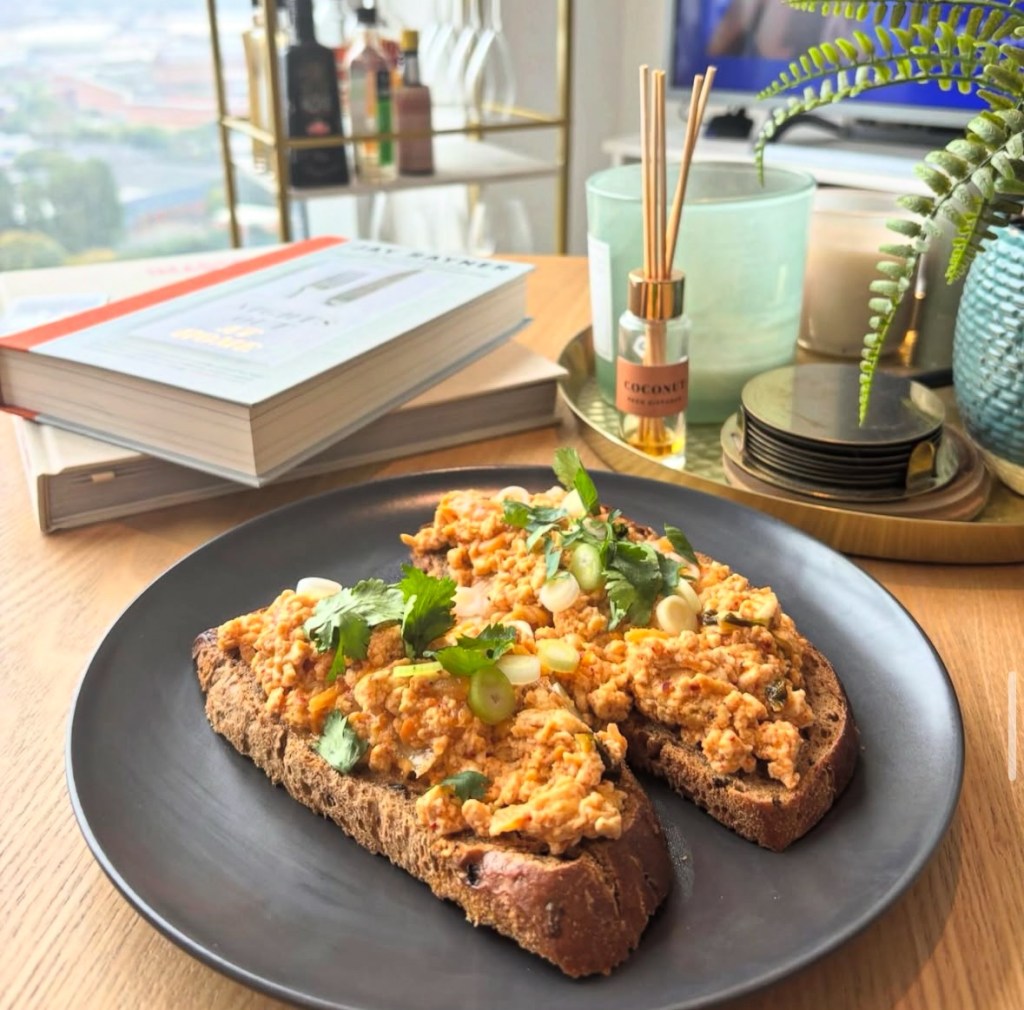
- Kimchi: this is so good on Asian-inspired dishes like rice bowls and noodles. I have to say, kimchi scrambled eggs are also a favourite of mine!
- Sauerkraut: great with salads, jacket potatoes and a range of meats to add another layer of flavour.
- Miso: perfect for marinades, broths and dressings, I also love using miso for brothy rice bowls or as part of an Asian-inspired dish.
Limit ultra-processed foods (UPFs)
This is probably the point I feel strongest about. It’s recently been in the news that UPFs are linked to early deaths, not to mention their links to a vast amount of diseases or their addictive nature. This isn’t to say you shouldn’t touch a UPF ever again because, let’s face it, that’s not realistic.
For instance, if you’re at a family gathering, chances are there’s going to be ‘picky bits’ and some of this will be UPF. However, it’s about being aware of the risks and limiting your consumption. I once heard Dr Megan Rossi say that if you check the packaging of, say, processed frozen foods and there are more than 2 ingredients on there that you wouldn’t add if you were to make this yourself, then avoid eating it. This is something I’ve tried to stick to where I can.
Emulsifiers and artificial sweeteners found in many UPFs could damage the gut lining and reduce beneficial gut bacteria, contributing to issues like bloating, leaky gut, or autoimmune problems. So it’s not like these things just don’t offer anything beneficial, but chances are they’re actually doing harm when consumed in large quantities!
Aim to eat 30 different plant-based foods a week
Forget your 5 a day, this is the rule to follow. I know it may sound like a lot, but it really isn’t once you get started, and the good news is that the different colours = another plant point. So for example, eating a red pepper and a yellow pepper counts as two points. There’s lots of useful information here about this, and this is the site I used to get informed and get started.
Having a product like the Bio&Me granola each morning for breakfast is such a good headstart, because then you’re getting at least around 14 plants guaranteed. Cooking with a sofrito (onion, garlic, carrot and celery) bumps it up by another four straight away too. So, if you incorporate things like this into your diet, you’ll hit that number in no time!
And, you don’t have to hit 30 straight away – there’s no pressure. Infact, if you suspect you’re pretty far off this number at the moment, it’s probably best to increase your number gradually rather than all at once, to give your gut time to adjust.
There are products out there that contain a mixture of plants you can sprinkle on a range of dishes to boost your intake, but these do often come with an expensive price tag. If this is something you’d like to do, you can make it yourself at home for a fraction of the price!

Other things to note…
- Following gut health principles isn’t about following a diet, and especially not a restrictive diet geared towards weight loss specifically. It’s about making your insides healthier!
- It isn’t about cutting anything out completely. It’s about adding things to your diet to benefit your gut, and everything in moderation.
- Limiting stress, getting a good night’s sleep, and movement – even just walking – all play their part in promoting gut health too.
- Remember that small tweaks is better than nothing at all. You don’t have to overhaul your entire diet overnight, but just incorporate changes where you can!
The research behind gut-health is all still relatively new but it’s certainly exciting, and it’s actually pretty interesting getting to know your gut and what works for you. Just like everybody has different tastes when it comes to food, our guts are all different too!
Hopefully this blog gives you some food for thought when it comes to improving your gut health. In a digital world full of sponsored ads and harsh targeting, it can be quite difficult to hear through the noise of the shakes, pills and potions that get promoted for our guts.
That’s why it’s important to do your research and where you can, flood your feed with positive and informative sources of information. There are loads of podcasts, books, and even doctors and nutritionists to follow on social media that are really informative, and can really help you get to know your gut!
I’m not affiliated with any brands mentioned in this blog, they’re all just brands I love and would recommend!
 Dinner With Meg
Leave a comment